Blog
Understanding Your HVAC System: Key Components and Functions
To begin, let's explore the heart of your HVAC system — the furnace. This component is responsible for heating your home. Most commonly, it operates by burning fuel such as natural gas, oil, or it may convert electricity into heat. The furnace has several parts, including burners that deliver the fuel, heat exchangers that transfer warmth into the air, and a blower that circulates the warm air through your home's ductwork. Regular maintenance of the furnace is important to ensure efficient operation and to extend its lifespan.
Next, we have the air conditioning unit, which is essential for cooling your home during warmer months. The primary components of this system include the compressor, condenser coil, and evaporator coil. The compressor pumps refrigerant through the system, raising its temperature and pressure. The condenser coil releases the heat outside your home, while the evaporator coil cools the air as it blows over the chilled coil within your living space. Ensuring these parts are clean and free of debris is crucial for optimal cooling performance.
The thermostat is another key component of the HVAC system, serving as the control center. This device allows you to manage the temperature of your home by signaling the HVAC system to produce more or less heat or air conditioning, depending on your settings. Programmable and smart thermostats offer additional features that enhance energy efficiency by adjusting temperatures according to your daily schedule.
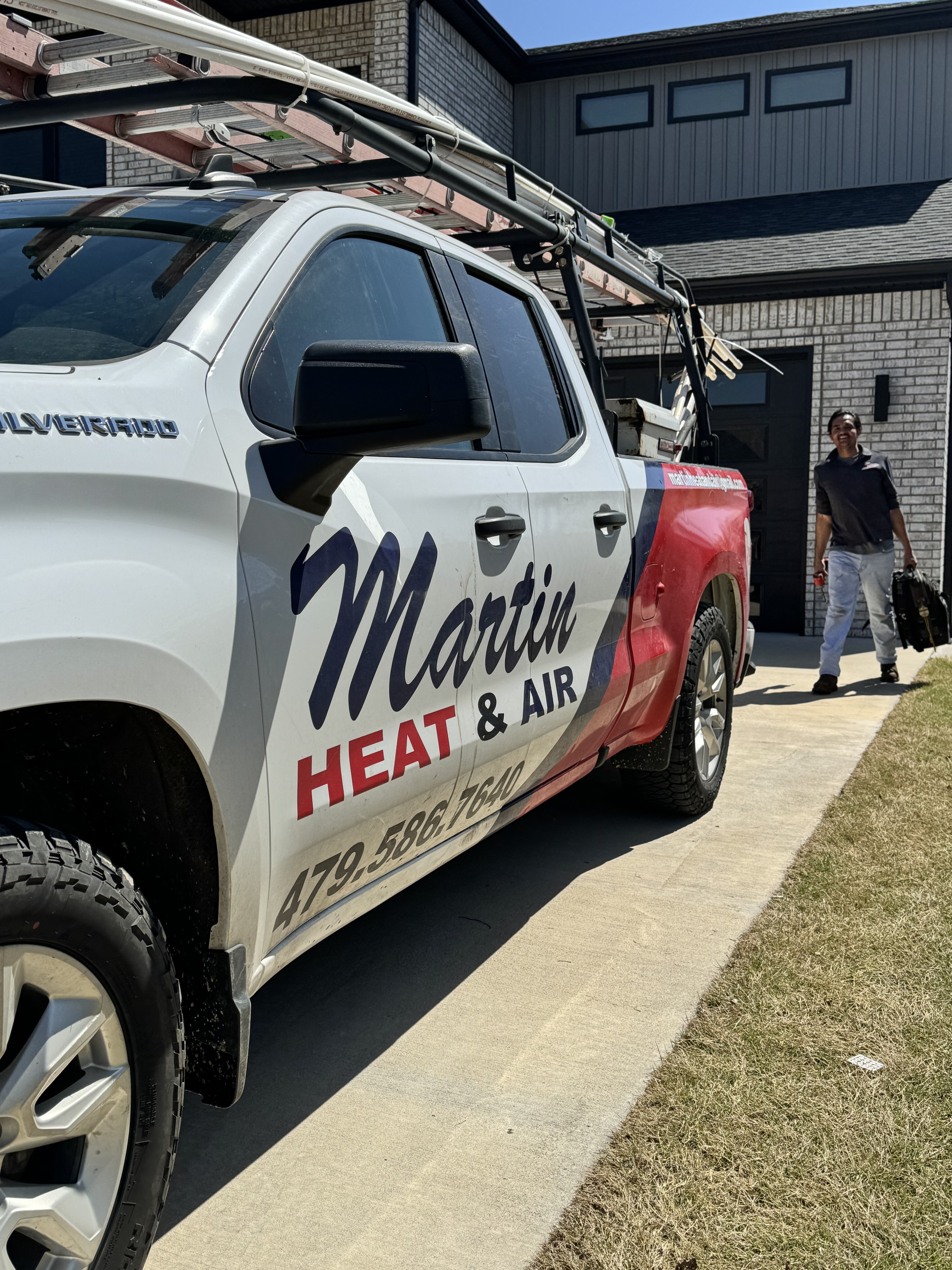
Additionally, the ductwork in your home plays a vital role in distributing conditioned air throughout each room. The quality and layout of ductwork can significantly impact the system's overall efficiency. Leaks, blockages, or poorly designed duct systems can lead to uneven heating or cooling and increased energy costs. Martin Heat and Air suggests having your ductwork inspected and sealed regularly to maintain peak performance.
Indoor air quality products, such as air filters and purifiers, are becoming increasingly important components of the HVAC system. These products trap dust, pollen, and other airborne particles to improve the air quality within your home. High-efficiency particulate air (HEPA) filters are especially recommended for those with allergies, as they capture smaller particles more efficiently.
Finally, regular maintenance is crucial for all HVAC components. Scheduling annual check-ups with a professional HVAC service like Martin Heat and Air will help identify potential issues early, ensuring that your system operates smoothly and efficiently year-round.
Understanding your HVAC system's key components and functions can greatly enhance your ability to optimize its use and maintenance. By leveraging this knowledge, you can ensure a comfortable home environment while potentially saving on energy costs. Whether it's regular inspections or thorough cleaning, never underestimate the power of proactive care for your HVAC system. For expert guidance and reliable service, feel free to reach out to the professionals at Martin Heat and Air. Your comfort is our top priority.